Frizz Forecast: Climate-Proofing Your Hair Before Summer Hits

You can have the perfect wash day, the flawless blowout, the curl definition of your dreams — and then you step outside and the sky undoes all of it in eleven minutes. Humidity isn't a vibe killer, it's a chemistry problem. And the good news? Chemistry problems have solutions.
Here's the thing nobody tells you: your best friend in Houston has a completely different hair battle than your cousin in Minneapolis. That's why the "just use anti-frizz serum" advice falls flat. Your climate dictates your strategy. Let's break it down, region by region, so you can rebuild your routine before the summer air turns against you.
First, Understand What's Actually Happening
Quick science detour, we promise it's short. Hair is porous — the outer cuticle opens and closes depending on what's in the air around it. When the air is packed with moisture, water molecules sneak into the hair shaft and rearrange the bonds that give your hair its shape. Straight hair puffs. Curly hair swells. Everything gets that soft, undefined halo we lovingly call frizz.
Dry climates do the opposite: they pull moisture out of your hair, leaving static, brittleness, and split ends in their wake. Same hair, opposite problem. Which is exactly why your roommate's holy grail product might be doing nothing for you.
The Gulf Coast & Southeast: Operation Moisture Lock
If you live anywhere from Houston to Atlanta to Orlando, you're basically living inside a cloud from June through September. Dew points in the 70s mean your hair is absorbing water from the air all day long.
Your strategy: You can't keep moisture out entirely, so the goal is making your hair saturated before you leave the house. A hair that's already holding all the water it can hold has no room to swell.
- Wash with a sulfate-free hydrating shampoo and follow with a rich conditioner — dry hair drinks up humidity like a sponge
- Apply a leave-in with humectants sealed under an oil or cream (yes, the order matters — humectants left exposed pull moisture in and out all day)
- Anti-humidity sprays with film-formers (look for polyquaternium on the ingredient list) create a flexible shield that blocks excess moisture
- Styles that work with texture — defined wash-and-gos, braids, slicked buns — age better than a fresh blowout ever will down here
Skip: Heavy hold hairsprays that crack in the humidity. You'll end up with a stiff shell around frizz, which is somehow worse.
The Midwest & Plains: The Static Wars
Chicago, Detroit, Kansas City — your problem flips with the seasons. Summers bring muggy frizz, but the real menace is winter and early spring, when bone-dry indoor heat turns your hair into a science experiment. Static, flyaways, and hats that steal your style at the door.
Your strategy: Moisture management in both directions. You need products that buffer against humidity swings and dryness.
- A weekly deep conditioning mask is non-negotiable — dry hair snaps and frizzes faster than hydrated hair
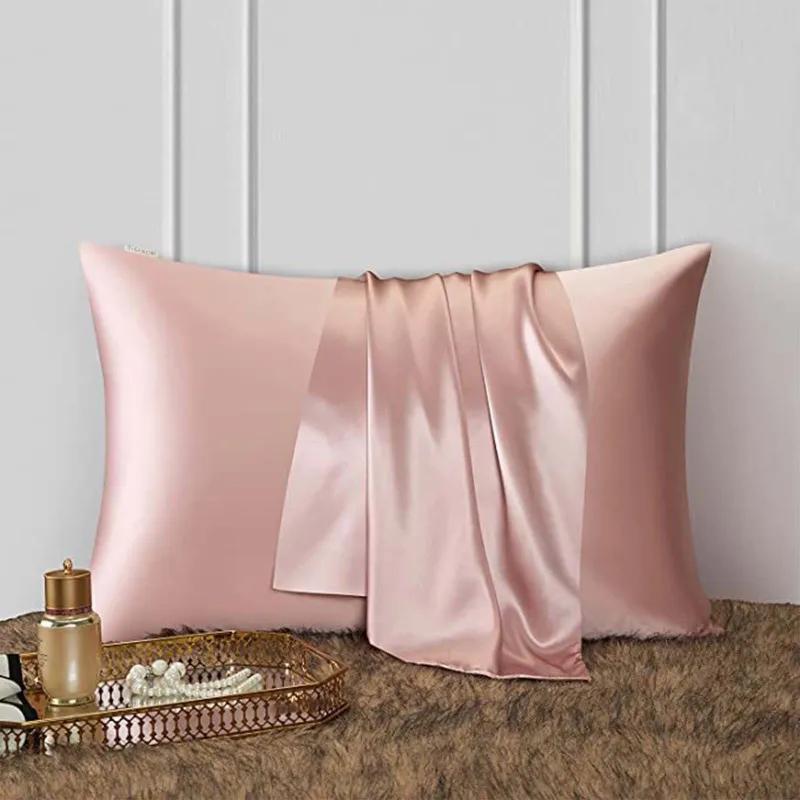
- Swap your regular pillowcase for silk or satin; cotton wicks moisture out overnight and roughs up the cuticle
- Keep a dryer sheet (yes, really) or a drop of hair oil in your bag for static emergencies
- In summer, treat yourself to a lightweight version of the Gulf Coast routine — lighter leave-ins, same sealing logic
Skip: Volumizing products heavy in drying alcohols during winter. Volume you don't need, frizz you definitely don't.
The Southwest: High and Dry
Phoenix, Vegas, Albuquerque — your air is so dry it's pulling water straight out of your strands. The blessing: frizz barely exists here. The curse: brittleness, breakage, color that fades in the sun, and ends that split on sight.
Your strategy: Treat hydration like a full-time job and sun protection like it's skincare (because it basically is).
- Oils and heavier creams are your friends — this is the one region where "too rich" is rarely the problem
- UV-protectant sprays or leave-ins with UV filters keep color-treated hair from turning brassy straw
- Rinse with cool water and consider a shower filter if your water is hard; mineral buildup plus dry air is a rough combo
- Protective styles and silk scarves keep ends tucked away from the desert air
Skip: Clarifying more than once a month. You're not fighting buildup — you're fighting evaporation.
The Pacific Northwest & Coastal California: The Drizzle Zone
Seattle and Portland give you a milder version of the humidity problem — less swamp, more persistent damp. Your hair never fully dries in winter, which means styles fall flat and fine hair gets limp. Coastal SoCal adds its own twist: marine layer moisture in the morning, dry sun by noon.
Your strategy: Lightweight structure. You need hold and shape without heavy products that collapse in damp air.
- Root-lifting mousses and lightweight gels give fine hair structure that survives drizzle
- Diffuse or air-dry with product in — the PNW humidity will undo a fully heat-styled look fast
- For coastal zones, a flexible-hold texture spray handles the morning-to-afternoon moisture swing
Skip: Anything marketed as "anti-frizz smoothing" with heavy silicones — in damp climates they build up and leave hair greasy and flat.
Build Your Climate-Proof Kit
No matter your zip code, the framework is the same: know what your air is doing, choose products that counteract it, and pick styles that work with the forecast instead of against it. Check the dew point, not just the temperature — anything over 60 and your hair's in for a fight.
Your hair isn't difficult. It's just honest. It's telling you exactly what the environment is doing, and now you know how to answer back. Summer's coming either way — might as well show up ready.