The Interview Hair Double Standard Is Real — Here's How to Walk In Anyway
Photo: Matheus Ferrero matheusferrero, CC0, via Wikimedia Commons
Let's be honest about something the career-advice industrial complex won't say out loud: when a recruiter tells you to look "polished," they're usually picturing hair that hangs straight, lies flat, or disappears into a low bun. Nobody writes that in a dress code anymore. It just... lingers. In the LinkedIn headshots. In the "grooming standards" from 2003 that nobody updated. In the fact that so many of us have straightened our hair for an interview we were qualified for and still felt like we were auditioning to be someone else.
We're not here to tell you to chop it all off and go natural as some grand statement — although if you want to, go off. We're here to give you the actual playbook: how to make every texture read as intentional, put-together, and yours when the stakes are high. Because confidence isn't a curl pattern. It's preparation.
Why "Professional" Still Has a Hair Type
Here's the uncomfortable math. Studies on hiring bias have repeatedly shown that candidates with textured hair are perceived as less professional than candidates with straight hair — same resume, same outfit, different strands. The CROWN Act, first passed in California in 2019 and now law in 20-plus states, exists precisely because hair discrimination is workplace discrimination. But federal protection still doesn't exist nationwide, and most of us aren't interviewing with a lawyer on retainer.
So yes, the double standard is real. And no, the answer isn't "just wear your hair straight and don't make it a thing." The answer is knowing your options well enough that you decide what the thing is.
If You Have Coils or Kinks: Defined, Not Diminished
A defined twist-out or braid-out done the night before photographs beautifully and moves with you. The trick is the setup: twist on freshly washed, deep-conditioned hair with a holding cream, sleep in a satin bonnet, and separate in the morning with a drop of oil on your fingertips to kill the frizz halo.
Short on time? A sculpted updo — think a puff with a sleek brushed perimeter, or flat-twists gathered into a low knot — reads as deliberate in a way loose styles sometimes don't when you're nervous and touching them all day. Pro tip from every natural stylist we've ever talked to: gel your edges lightly. Laid-but-not-laminated is the energy.
Curls and Waves: Your Wash Day Is Your Interview Prep
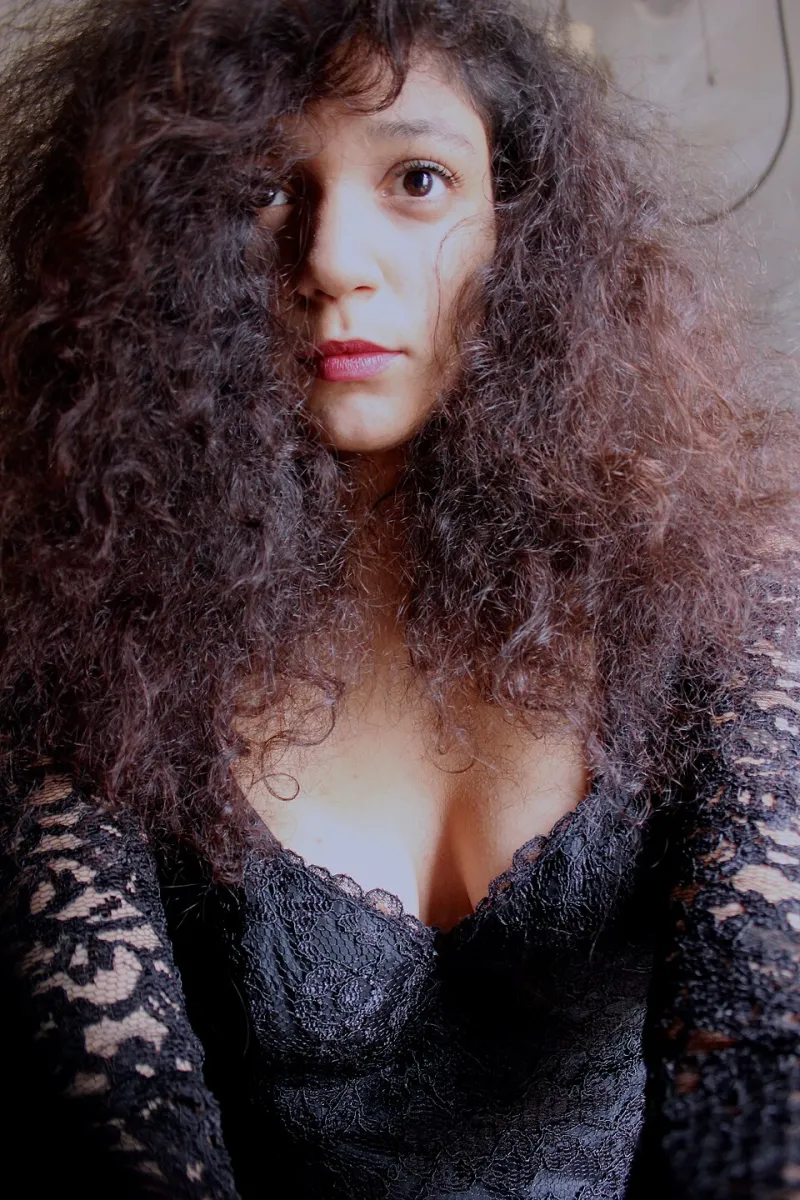
Loose and medium curls have one job in an interview setting: look hydrated. Dryness is what makes curls read "tired" instead of "intentional," so this is the week to actually do the deep conditioner you've been skipping.
Day-of, the diffuser is your friend — rough-drying curls turns them fluffy in the wrong way. If your curl pattern drops through the day, a quick refresh with water and leave-in in a travel spray bottle (yes, in the bathroom before you walk in) revives everything in ninety seconds. And if you want it off your face? A half-up style with a claw clip or a loose braid crown keeps the shape while keeping your hands out of it.
Braids, Locs, and Twists: You're Already Winning
Here's the plot twist nobody tells you: protective styles are the lowest-effort, highest-polish move in the game. Knotless braids in a low ponytail. Locs swept into a bun. Senegalese twists pulled half-up. These styles hold their shape through red-eyes, panel interviews, and second-round nerves better than any blowout ever will.
The only real rules: get them done at least a week before the interview so they've settled (fresh braids can read stiff), and skip the novelty cuffs and colored extensions for round one. Save the cherry-red boho braids for the celebration dinner after you get the offer.
Straightened or Slicked? Also Valid
If you want to wear your hair straight or in a slicked bun — because it's cute, because it's easy, because it's Tuesday — that's not a betrayal of anything. The slicked-back bun became the uniform of an entire generation for a reason. Just make sure it's a choice, not a reflex. That distinction matters more than anyone admits.
The Real Prep Checklist
Regardless of texture, here's what actually gets you to confident:
- Do a trial run. Wear the exact style for a full workday before interview day. If it falls, itches, or gives you a headache from the pins, now you know.
- Pack the rescue kit. Bobby pins that match your hair, a travel-size of your refresher, and a comb that won't snap.
- Check the photos. Take a selfie in the outfit, in the lighting. If your hair reads how you feel in the picture, you're set.
- Remember what the CROWN Act taught us. You're not asking permission to wear your hair. You're showing them what competence looks like — and it looks like you.
The best interview hair isn't the style that hides your texture. It's the one that survived the trial run, matches your energy, and lets you spend the whole conversation thinking about the job instead of the flyaways. That's the negotiation. And you just won it.