Balayage on a Budget: How to Make One Salon Visit Last a Whole Semester
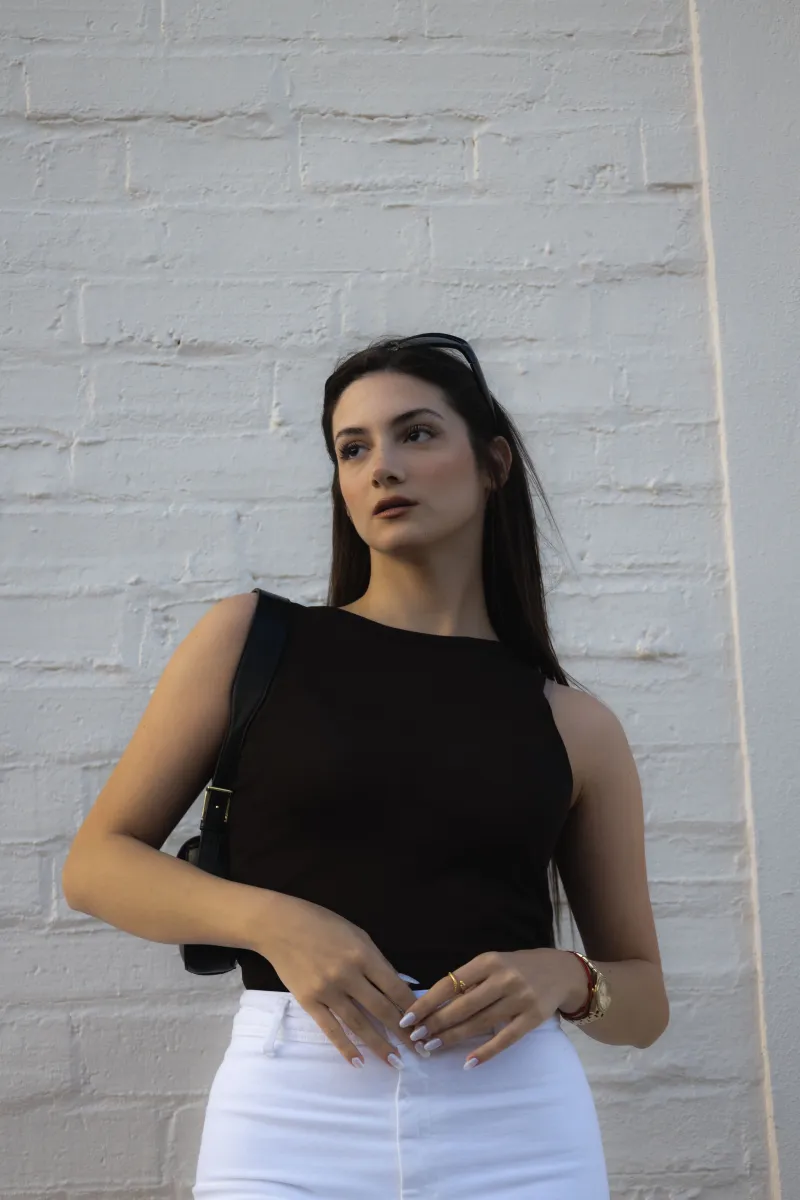
Photo: woman with balayage hair salon mirror, via images.pexels.com
Let's do some quick math before we get into the fun stuff. A full balayage at a mid-tier salon in most US cities runs somewhere between $180 and $300 with tip. If your stylist tells you to come back every six weeks — and most of them do — that's roughly $1,700 to $2,600 a year. On a college budget or a first-job paycheck, that's not a hair habit. That's a car payment.
Here's the thing nobody tells you at the front desk: you don't actually need to see your colorist every six weeks. Balayage in particular was designed to grow out softly. The whole point of the technique is that there's no harsh line of demarcation, which means your roots can breathe for two, even three months before anyone clocks it. Single-process color is a little less forgiving, but with the right routine, you can still stretch it way past what the salon pamphlet suggests.
So whether you're trying to make your color survive until winter break or just until your next paycheck clears, here's the playbook.
The Drugstore Routine That Actually Protects Your Investment
The fastest way to kill a fresh color? A clarifying shampoo and hot water. Sulfates strip dye molecules out of your hair cuticle, and heat opens the cuticle up so they can leave even faster. It's not a conspiracy — it's chemistry.
What you actually need:
- A sulfate-free, color-safe shampoo. L'Oréal EverPure, OGX, and Herbal Essences Bio:Renew all have options under $10 that get the job done. You don't need the $40 boutique bottle. You need the words "color-safe" on the label.
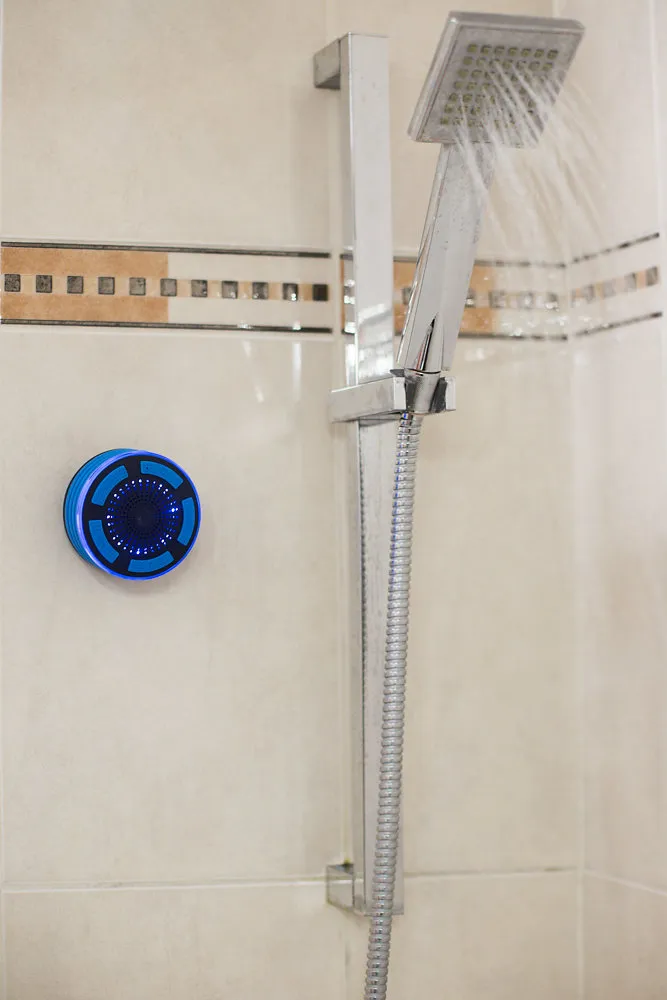
- A shower filter if your water runs hard. If you live anywhere with mineral-heavy water — think Texas, Arizona, parts of the Midwest — those minerals deposit on your hair and turn blonde brassy and brunette muddy. A $20 filter attachment on your showerhead can genuinely buy your color extra weeks.
- Wash less, period. Every wash is a mini color-rinse. Stretch to two or three washes a week with dry shampoo in between, and you're literally rinsing money down the drain less often.
- Cold-ish water rinse. We know. It's winter. Even lukewarm is a massive upgrade over scalding.
That's it. That's the routine. You don't need a ten-step system; you need to stop doing the three things that are actively fading your shade.
The Gloss Appointment: The Best $50 You'll Spend
If there's one insider trick stylists will actually admit to using on themselves, it's this: stretch the big color appointment, and book a gloss in between.
A gloss (sometimes called a toner or glaze, depending on the salon) is a sheer, demi-permanent treatment that costs a fraction of a full color service — usually $30 to $70 — and takes maybe 30 minutes. It won't lift your base or cover significant regrowth, but it will:
- Neutralize brassiness and bring back shine
- Refresh the tone so your color reads "intentional" instead of "grown out"
- Buy you another four to six weeks before the big appointment
So instead of paying $250 every six weeks ($2,160/year), you're paying $250 every 12 weeks plus two glosses ($650-ish/year). That's over a thousand dollars back in your pocket. That's a flight home. That's a new phone. That's, like, four months of groceries depending on your city.
The Timing Trick: Book Around Your Life, Not the Calendar
Stylists know something most clients don't: color fades on a curve, and it fades fastest in the first three weeks. That means the difference between week-six roots and week-ten roots is smaller than you think — especially if your colorist placed your highlights strategically.
When you book your next appointment, ask for these two things by name:
- "Face-framing placement" — keeping the brightest pieces around your face means the regrowth at your crown and part line stays invisible longer.
- "Root smudge or shadow root" — a slightly darker, blended root built in at the salon means your natural regrowth melts into the color instead of clashing with it.
Also, time your appointment strategically. Going lighter right before summer? Expect the sun, chlorine, and pool chemicals to speed up fading. Booking in the fall when you're indoors more? Your color will genuinely last longer with zero extra effort from you.
The Honest Cost Breakdown
No shame in either direction — some people genuinely love the salon experience and consider it self-care, full stop. But if you're deciding what that shade is actually worth to you, here's the side-by-side:
| Approach | Annual Cost (approx.) | Effort Level |
|---|---|---|
| Full color every 6 weeks | $2,000+ | Low effort, high spend |
| Full color every 12 weeks + glosses | $900–$1,000 | Medium effort, medium spend |
| Full color twice a year + drugstore routine | $500–$600 | High effort, low spend |
The middle column is the sweet spot for most people. You still get the salon experience and a professional result — just half as often, propped up by a gloss and a shower filter.
One Last Thing Before You Book
Ask your stylist, straight up: "How long can this realistically hold?" A good one will tell you the truth about your specific shade and hair. Some colors — super-light platinum, vivid reds, fashion tones — fade fast no matter what you do, and stretching them will leave you frustrated. Others, like lived-in brunette and classic balayage, were practically made for the long game.
Your hair appointment is a financial decision. Make it on purpose, not on autopilot — and spend the difference on something that makes you as happy as a fresh blowout does.