Aerosol Detox: The Two-Week Scalp Reset for Dry Shampoo Loyalists
Dry shampoo has earned its place in the hall of fame. It has saved us before 8 a.m. lectures, after sweaty commutes, and on those mornings when washing your hair feels like a full Olympic event. But there is a difference between using dry shampoo as a quick fix and treating it like a personality. If your scalp has been living under a layer of aerosol powder for weeks, it might be time for a reset.
This is not a lecture. You do not need to throw out every can or shave your head. You just need two weeks, a little patience, and a plan that does not require you to become a person who wakes up at 5 a.m. to wash and blow-dry.
Dry shampoo is a bridge, not a destination
Here is the honest version: dry shampoo absorbs oil and adds texture, but it does not clean your scalp. It can make your roots look less greasy for a few hours, but sebum, sweat, dead skin cells, and product residue are still hanging out up there. Layer that day after day, and your scalp can start feeling itchy, congested, or coated.
That does not mean dry shampoo is bad. It means it works best as a short-term bridge between real washes. Think of it like a dry erase marker, not a shower.
Signs your scalp is asking for a reset
You do not need a dramatic crisis to take a break. A few small signals are enough:
- Your roots feel waxy or coated even after you brush them.
- Your scalp itches by mid-afternoon, especially near the hairline.
- You see white flakes that are not just leftover powder.
- Your hair feels flat at the root but heavy or stiff near the scalp.
- Your scalp smells less like shampoo and more like, well, scalp.
- Your ponytail feels tighter or your part looks irritated.
If you have redness, pain, sores, or sudden hair loss, skip the DIY reset and see a dermatologist. Scalp health is health, and some issues need a professional, not a clarifying shampoo.
The two-week plan, minus the martyrdom
The goal is not to punish yourself for using dry shampoo. The goal is to give your scalp a chance to breathe, clean up the buildup, and rebuild a wash schedule you can actually maintain. Two weeks is enough to notice a difference without turning your life upside down.
Week 1: taper the aerosol
This week is about reducing the layers, not going cold turkey if that would make you miserable.
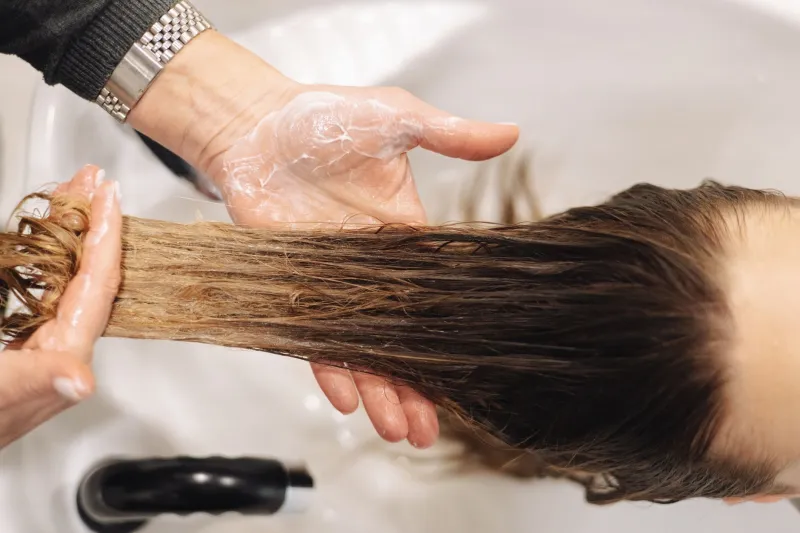
- Day 1: Do a clarifying wash. Use a clarifying shampoo once, focusing on the scalp, and follow with a lightweight conditioner on the mid-lengths and ends. Do not scrub until your scalp is raw.
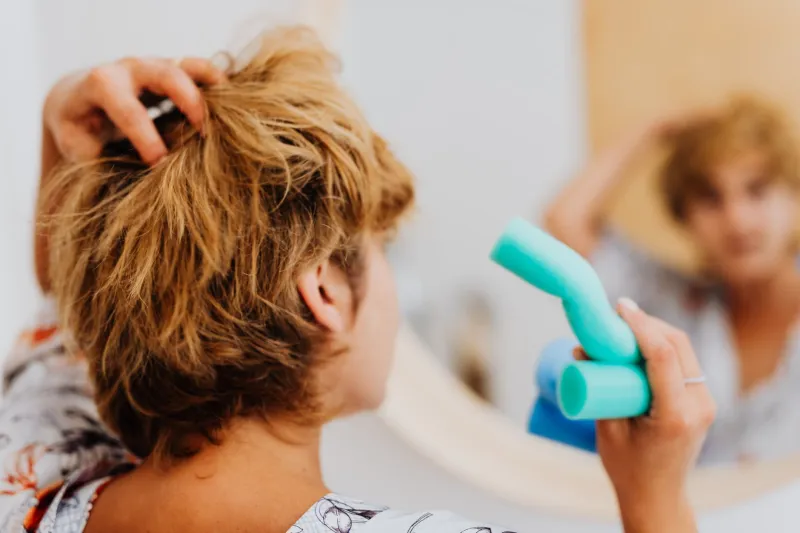
- Day 2: No dry shampoo. Brush your scalp gently with a soft silicone scalp brush before bed. If your hair looks flat, use a little water and a blow-dryer on the roots, or just accept the flatness. It is one day.
- Day 3: Wash with your regular shampoo. This is a normal wash, not a deep-clean situation. Keep the conditioner away from your roots.
- Day 4: If you absolutely need dry shampoo, use one light application on clean, dry hair. Spray from a distance, let it sit for a minute, and brush through. Do not reapply later in the day.
- Day 5: Scalp brush only. No dry shampoo. If you are going to the gym, rinse your scalp with water and skip the shampoo if that feels better than leaving sweat sitting there.
- Day 6: Wash day. Keep it simple.
- Day 7: No dry shampoo. Do a gentle scalp massage in the shower with your fingertips before conditioning.
Week 2: rebuild a schedule you can keep
Now you are not just detoxing. You are building something sustainable.
- Wash every two to three days, depending on your hair type, activity level, and how much your scalp produces oil. There is no universal schedule, despite what the internet says.
- Allow yourself one dry shampoo day per week, maximum, and only as an emergency bridge. If you need it every day, your wash schedule or your products might need adjusting.
- Use a clarifying shampoo no more than once a week. More than that can strip your scalp and leave it feeling tight and irritated.
- Brush your scalp before wash day. This helps loosen buildup and stimulate circulation without being aggressive.
- Clean your tools. Your scalp brush, comb, and pillowcase are not self-cleaning. Wash them regularly so you are not recycling buildup back onto your head.
The wash-day sequence that actually resets your scalp
A good wash day is less about products and more about order of operations.
- Brush first. Gently detangle and lift buildup from the scalp before you get in the shower.
- Wet thoroughly. Really soak your scalp. A quick splash is not enough to help shampoo do its job.
- Shampoo the scalp, not the ends. Focus your fingers on the scalp and let the suds rinse through the lengths. Do not pile your hair on top of your head and scrub like you are washing a skillet.
- Rinse longer than you think. Product residue is a real thing. Give it time.
- Condition the ends. Keep conditioner off your roots unless your hair is genuinely dry all the way up.
- Dry the roots first. A damp scalp under a tight bun or hat is not doing you any favors.
Scalp brushing without going feral
A soft silicone scalp brush can be a nice addition, but it is not a scrub brush for a grill. Use gentle circular motions on dry hair before washing or on wet hair with conditioner. Do not press hard, do not use it on irritated or broken skin, and do not share it. If it starts feeling sensitive, stop.
When to call a professional
If your scalp is inflamed, painful, bleeding, or shedding in patches, this is above a blog post's pay grade. A dermatologist can check for conditions that need actual treatment. A two-week reset is for buildup and routine fatigue, not for diagnosing anything.
The takeaway
Dry shampoo is a useful tool, not a replacement for washing. A two-week reset is simply a chance to let your scalp catch its breath, cut back on the layers, and find a wash rhythm that works with your real life. You do not need a perfect routine. You need one you will actually follow.